
1-805-484-2992
Quotes - Engineering - SalesKeep the emulsion, move the heat
Ranch, Caesar, blue cheese, vinaigrettes and concentrated dressing bases
A dressing line asks the exchanger for two things that pull against each other: move heat quickly and leave the emulsion alone. Creamy dressings such as ranch, Caesar and blue cheese are oil-in-water emulsions held together by egg yolk, starch or gums. Too much shear, or too abrupt a temperature change at a surface, and the oil droplets merge. The fault rarely shows on the line; it shows weeks later as a layer of free oil in the bottle.
Most of the heat duty in a dressing plant follows the high-shear mixer or colloid mill, which turns a good share of its motor power into product temperature. Bringing the batch back down promptly protects both the emulsion and the flavor. Vinaigrettes and acidified dressings may also be pasteurized or heated for hot fill and then cooled. Every one of these steps has to carry cheese crumbles, herbs, garlic and cracked pepper without shredding them.
A tube-in-tube handles this with a smooth round bore, no plate contact points to catch leaves and crumbles, and modest, even shear along its whole length. The product path is welded 316L with sanitary clamp ends, fully drainable and cleaned in place between flavors. The engineering lies in matching velocity and wall temperature to what your particular emulsion will tolerate.
Request a Quote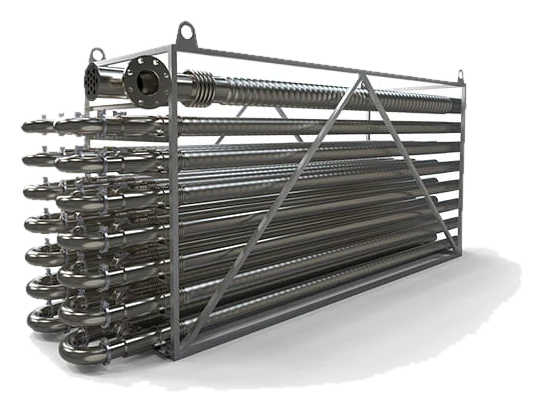
A dressing emulsion fails at the wall, not in the bulk
Shear peaks and temperature extremes both sit at the tube wall, so a cooler that looks gentle on average can still split oil wherever the dressing meets a surface that is too cold or moving too fast.
Three dressing families, three priorities
Creamy dressings
- Emulsion held by egg, starch or gum
- Cool promptly once it leaves the mill
- Keep cheese crumbles and herbs whole
- Moderate velocity through bends and valves
Vinaigrettes
- Low viscosity and high acidity from vinegar
- Oil and water phases part when flow stops
- Pasteurize or hot fill, then cool
- Salt plus acid calls for 316L
Dressing bases
- Concentrated and thicker than the finished dressing
- Viscosity climbs steeply when chilled
- Pressure drop governs the cooler length
- Sized on the base, not the diluted product
Matching the design to the dressing
The right geometry depends on how fragile the emulsion is, how thick the product runs at its coldest point and what pieces it carries.
| PRODUCT / DUTY | DESIGN | WHY IT FITS |
| Creamy emulsified dressings | Tube-in-Tube | One full bore gives even, moderate shear and carries cheese crumbles and herb pieces through intact. |
| Herb and spice vinaigrettes | Multi-Tube | A thin, acidic product with fine spice gains surface per foot where no large pieces travel. |
| Thick dressing bases | Triple-Tube | Cooling from both sides of the annulus shortens the run on a heavy, concentrated base. |
| Very fragile emulsions | Concentric Tube | Routing dressing through a wide annulus spreads it over a large wall at gentle velocity. |
| Pilot and short-run flavors | Ultra-Coil | Small hold-up means little product lost at each changeover, in a footprint that fits a skid. |
Cooling after the mixer, and cold fill
Take out the mill's heat promptly. A colloid mill or high-shear mixer leaves the dressing warmer than it went in, and a warm emulsion is a vulnerable one. Cooling it back to fill temperature soon after the mill protects texture and flavor. The temptation is to use the coldest glycol on hand. A very cold wall can firm the fat or thicken the starch phase right at the surface, forming a layer that insulates the tube and sheds lumps into the product.
Cold fill depends on a steady outlet. Many dressings are cold filled and rely on acidity and formulation for shelf life. Here the exchanger's job is a consistent outlet temperature, because viscosity at the filler affects fill weight and how the dressing settles in the bottle. True counterflow lets the dressing approach the chilled-water temperature closely without a coolant so cold that it threatens the emulsion.
Pasteurized and hot-filled dressings. Heating with hot water, a hold section and then cooling is the usual sequence. Product-to-product regeneration, where the hot outgoing dressing preheats the cold incoming stream, recovers much of the heat. It also places dressing on both sides of the wall, so the annulus has to be as cleanable and drainable as the inner tube, and the design must account for both streams' viscosity.
We size dressing coolers and heaters from the formulation type, flow, temperatures and, where the emulsion is sensitive, a tested sample. Send what you have and we will tell you plainly what else the sizing needs.
Call and talk it through with an engineer: 1-805-484-2992
Dressing details buyers raise
Vinegar, salt and 316L
Dressings combine acetic acid with salt, and that pairing pits 304L stainless over time. 316L is the normal product-tube material, with an electropolished finish that sheds oil and egg film during cleaning. Clamp gaskets need FDA-compliant elastomers chosen for both vegetable oil and acid, since a gasket that swells in oil will leak long before it wears.
Herbs, garlic and pepper
Flat leaves such as parsley and dill wrap around the contact points inside a plate pack and build in to mats. A round tube has no such points, so leaves, garlic bits and cracked pepper ride through with the flow. The limit is settling: at very low velocity, heavier spice can drop to the bottom of horizontal runs.
Separation when the line stops
A vinaigrette left standing in the exchanger separates, and oil collects along the top of each horizontal tube. On restart the first product out can be oil-rich. Recirculating to the tank for a short time, or diverting the first volume, keeps that slug out of the bottles.
Allergen changeovers
Egg, milk and mustard all appear in dressings, so a flavor change is often an allergen change. Full drainage, a water push and CIP at proper velocity, with no dead legs to hold residue, give the line a clean break. Clamp ends allow a visual check when validation calls for one.
Before cooling a dressing
Not if velocity and wall temperature are held within what the emulsion tolerates. Laminar flow in a straight round tube is about as gentle as product handling gets. Breaks more often trace to an oversized pump running against a throttled valve, or to coolant cold enough to firm the fat at the wall. A stability check on a sample after a test run settles the question.
Usually, yes. The creamy dressing sets the size, because it needs the most length and the most pump pressure; the thin vinaigrette cools faster and will run below target unless the coolant control turns down far enough. Schedule the vinaigrette first where you can, since running it after an egg- or dairy-based dressing turns the changeover into a full allergen clean.
Cold enough to reach your fill temperature, and no colder than the emulsion tolerates at the wall. Counterflow lets product approach the coolant closely, so a moderately cold chilled water often does the job where very cold glycol would firm the fat. If the duty needs a deep approach, a staged cooler with a final short glycol section limits the risk.
Related
Sanitary
Sweeteners & Sugars
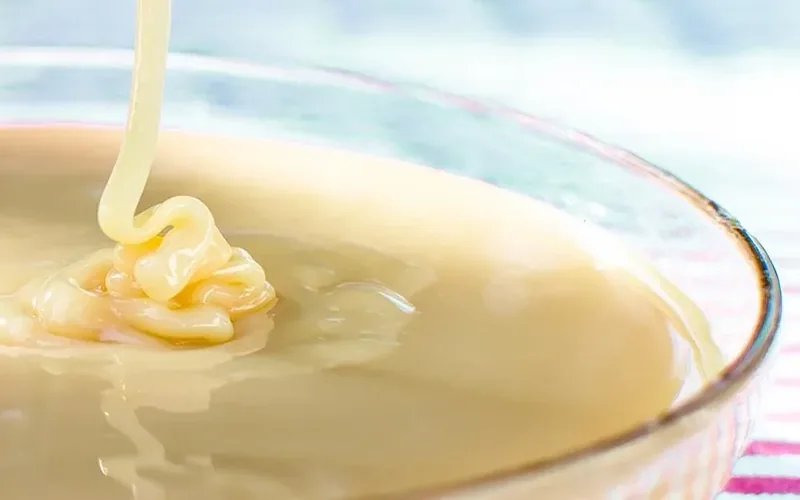
Tube-in-tube heat exchangers for honey, glucose and corn syrup, liquid sugar and molasses: heating to pump, cooling after evaporation, no crystal buildup.
+ Learn More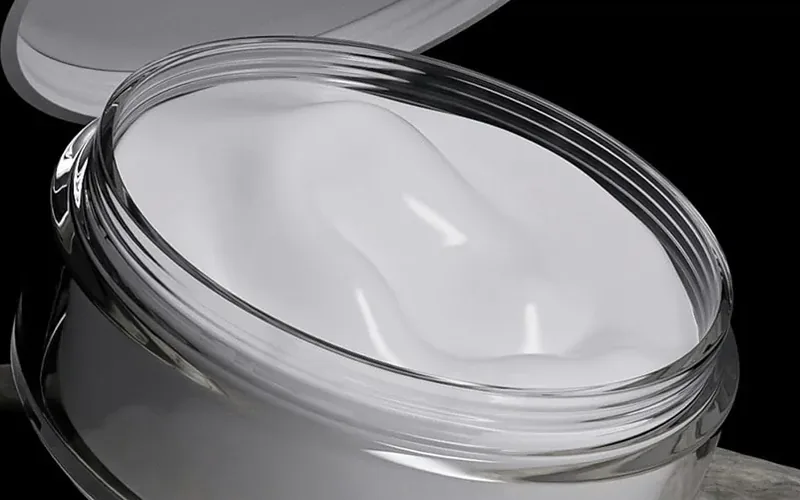
Sanitary
Cosmetics & Personal Care
Tube-in-tube heat exchangers for lotions, creams, shampoos and gels: low-shear cooling after emulsification in sanitary 316L built for CIP between batches.
+ Learn More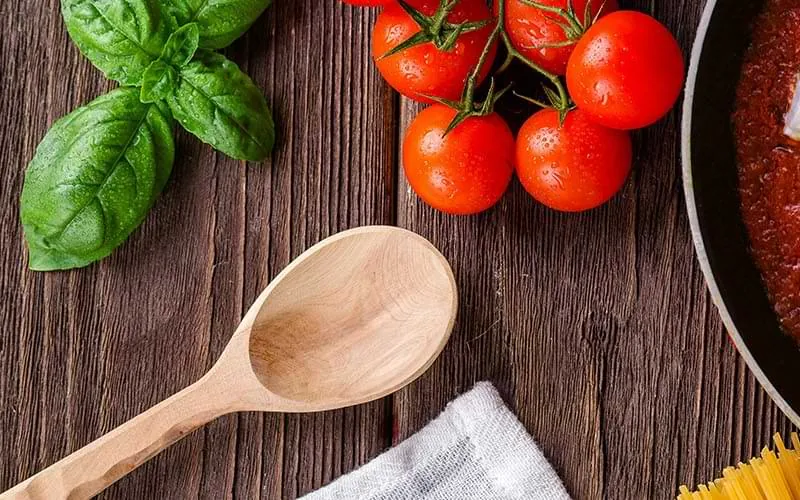
Sanitary
Thick Sauces & Condiments
Tube-in-tube heat exchangers for ketchup, mustard, BBQ and cheese sauce and mayonnaise, sized on viscosity and pressure drop for hot fill and cooling.
+ Learn More