
1-805-484-2992
Quotes - Engineering - SalesEffluent that is acidic, salty and dirty at once
Plant effluent is the stream nobody designed. Spent pickling acid, metal-finishing rinses, scrubber blowdown, ion-exchange regenerant and acid cleaning waste all end up in one sump, and the mixture that reaches the heat exchanger changes by the hour. It is usually too hot to discharge or too cold to treat, it carries chlorides along with the acid, and it brings solids - metal hydroxide floc, grit, flakes of scale - that settle wherever the flow slows down. The exchanger has to tolerate the worst hour, not the average one.
A tube-in-tube puts the effluent in a single round product tube with no contact points and, on welded designs, no gaskets in its path. Solids pass through instead of collecting where plates touch, and the acid never meets an elastomer that would swell or harden. The alloy sits only where the effluent is: the inner tube and its return bends. The jacket carries cooling water, tower water or steam and can be built from a less costly material.
Neutralization systems add a twist. pH is often adjusted upstream or downstream of the exchanger, so the stream can swing from acidic to caustic within a shift, and the neutralizing reaction itself releases heat that has to come out before the effluent goes to biological treatment or to the sewer. We size the unit for the hottest, most acidic and most chloride-rich case the plant can produce, then check the caustic end of the swing against the same alloy.
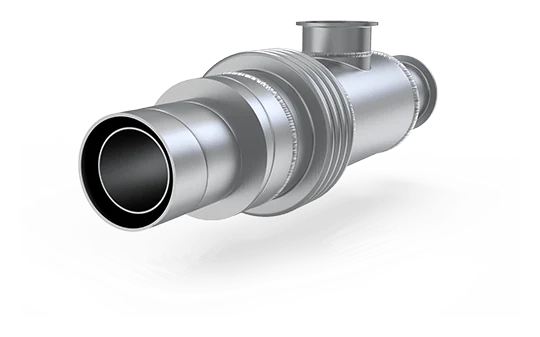
Tube-in-tube
- Open bore passes floc, grit and scale flakes
- No gaskets for acid to attack on welded units
- Alloy only on the effluent-wetted tube
Gasketed plate
- Narrow channels catch settled hydroxide sludge
- Gaskets swell or harden as the chemistry swings
- Thin plates leave little margin for pitting
Acidic effluent duty at a glance
Typical ranges for an effluent cooler or heater. Every line is set from your stream's analysis, so read these as the questions we will ask rather than as a catalog rating.
| Parameter | Detail |
| Effluent side | Inner tube, full bore, so solids keep moving |
| Service side | Cooling water, tower water, chilled water or steam in the annulus |
| Common alloys | 316L for mild low-chloride acid; 2205 duplex, AL-6XN or titanium as chlorides and temperature rise |
| Jacket material | Carbon steel or 304L where the service fluid allows |
| Connections | Flanged on the effluent side for removal and inspection |
| Pressure and temperature | Pressures to 1500+ psi and temperatures above 600 F are available; effluent duties rarely need either |
| Solids | Hydroxide floc, grit and scale, with velocity kept above settling |
| Codes | ASME Section VIII and National Board registration where the jurisdiction requires them |
Cooling hot acid waste
Hot effluent from pickling, plating and acid cleaning often has to come down before it reaches a biological plant or meets a discharge limit. Cooling against tower water in true counterflow brings the outlet close to the water inlet in a single unit. The hot end is where corrosion runs fastest, so the alloy is chosen at the inlet temperature, never at the average.
- Spent pickling and etching acid
- Plating and metal-finishing rinses
- Scrubber blowdown carrying absorbed acid gas
- Acid cleaning waste from evaporators and boilers
Heating ahead of treatment
Some treatment steps run better warm. Metal precipitation, oil separation and some biological stages slow down when effluent arrives cold in winter. Steam or hot water in the annulus brings the stream up to treatment temperature, with the wall held moderate so dissolved salts do not scale out on the hot surface and harden there.
- Winter heating ahead of precipitation
- Warming before oil-water separation
- Holding a steady temperature for pH control
Designing an effluent exchanger that lasts
Acid plus chloride sets the alloy
Low pH alone rarely decides it. Dilute acid with almost no chloride can run for years in 316L. The same acid carrying chlorides, run warm, pits it quickly, because the chloride breaks the passive film and the acid keeps it from healing. Duplex 2205 raises the pitting threshold and resists chloride cracking; AL-6XN goes further for acidic brines; titanium handles chlorides when oxidizers are present but not hot reducing acids such as hydrochloric. Fluoride, common in etching and glass-plant waste, rules titanium out entirely.
Solids that ride along with the effluent
Neutralized effluent carries metal hydroxides that settle as a soft sludge, and untreated waste carries grit, mill scale and broken filter media. In a slow tube those solids form a layer along the bottom, and pitting under that deposit outpaces anything else in the unit. The cure is velocity: the tube diameter is chosen so the effluent stays above settling velocity at minimum flow, not only at design flow. Where flow turns down overnight, a recirculation line or a smaller paralell section keeps the velocity up.
Cleaning and inspection
Effluent exchangers foul with gypsum, carbonate and hydroxide scale, especially where lime is the neutralizing agent. Plan for it. Flanged ends on the effluent side let a crew rod the tubes or pull a section, and an acid wash can dissolve carbonate without opening anything, provided the alloy was chosen to take the cleaning acid as well as the effluent. Send your neutralizing chemicals and your cleaning chemistry with the duty and we will size the unit for both.
Call and talk it through with an engineer: 1-805-484-2992
Effluent cooler questions
Usually, yes. Stainless and duplex grades handle dilute caustic well at moderate temperature, so an alloy chosen for the acidic case normally covers the caustic swing too. Titanium is the one to check, because it does not tolerate hot strong caustic. Tell us the full pH range and the temperature at each end so the material is confirmed for both conditions.
There is no single number, because temperature and pH move the limit. Warm, acidic, chloride-bearing water is the combination that pits 316L fastest, and stress-corrosion cracking adds a second risk once the wall runs hot. Send your chloride analysis and maximum temperature. If 316L is marginal, we quote 2205 duplex or AL-6XN side by side so the price of the margin is clear.
Not normally. Tower water or plant cooling water in the annulus is handled by a carbon steel or 304L jacket, with ordinary water treatment doing its job. The exception is seawater or brackish cooling water, where the outside of the inner tube and the jacket both see chlorides and the material choice for the service side changes with them.
Size the tube for minimum flow, not design flow, so solids stay suspended when the plant slows. If turndown is large, split the duty into parallel sections and shut one off, or recirculate part of the cooled effluent to hold velocity. A tube that silts up overnight will pit under the deposit long before abrasion wears through it.
Usually not. For most effluent duties, the chemistry and solids analysis your lab already runs is what the design needs, because viscosity stays close to water unless the solids load is heavy. When the stream carries unusual solids or behaves like a thick sludge, we can test a sample so the exchanger is sized on measured behavior instead of an estimate.
Related
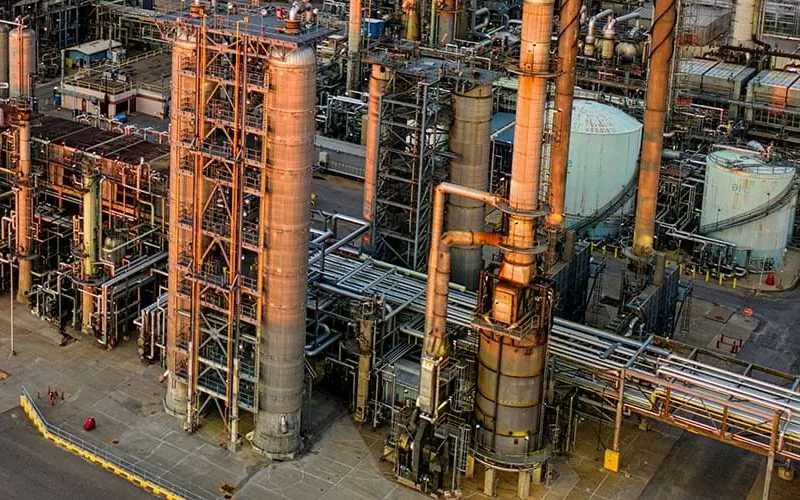
Industrial
Acids, Caustics & Bleach
Tube-in-tube heat exchangers for sulfuric and hydrochloric acid cooling, caustic heating and chlorine dioxide or hypochlorite service in alloy or titanium.
+ Learn More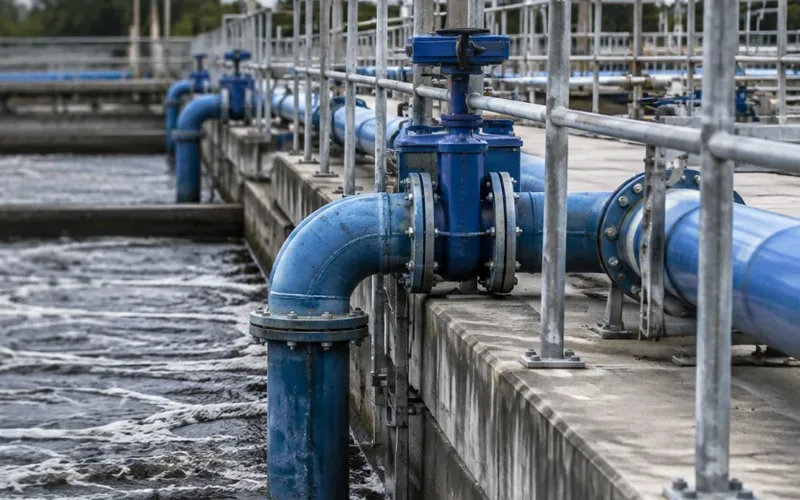
Industrial
Digester Sludge & Biomass
Tube-in-tube sludge heat exchangers for anaerobic digesters, biomass and fermentation broths: hold mesophilic or thermophilic temperature without caking.
+ Learn More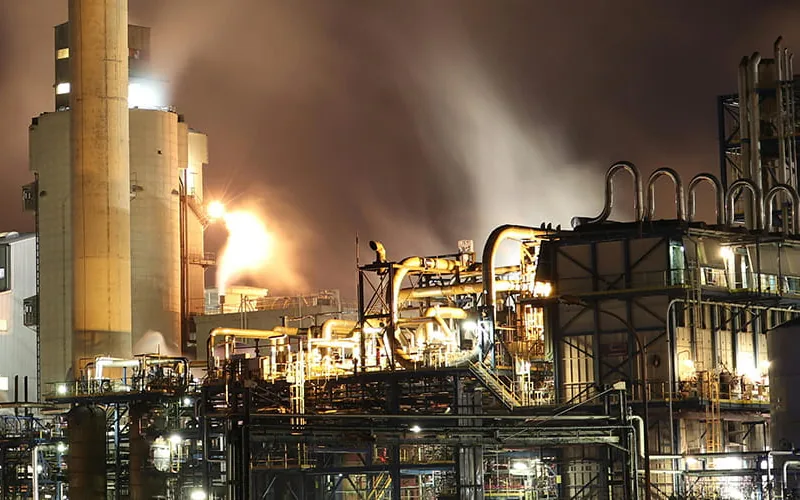
Industrial
Corrosive & Abrasive
Tube-in-tube heat exchangers for corrosive and abrasive fluids: match the alloy to the chemistry, design against erosion and keep acids away from gaskets.
+ Learn More
