
1-805-484-2992
Quotes - Engineering - SalesHolding a digester at temperature, every day
An anaerobic digester is a temperature-controlled reactor that happens to be full of sludge. Mesophilic digesters run at roughly 95 F to 100 F and thermophilic digesters at roughly 125 F to 135 F, and the organisms that make methane do not tolerate rapid swings. The heat exchanger has to replace what the tank loses through its walls and cover, and bring cold raw feed up to temperature, around the clock and through every winter night.
Sludge is a poor heat-transfer fluid. It is thick, it carries hair, rags and grit, and it bakes onto any wall that runs too hot. Tube-in-tube sludge-to-water exchangers carry it in a full-bore inner tube, with hot water from the boiler or the engine jacket loop in the annulus. There are no narrow channels to plug and no contact points for fiber to snag on, and the water temperature can be held low enough to keep the wall below the point where sludge starts to cake.
The same geometry serves biomass slurries and fermentation broths, where organic acids and cell mass take the place of grit and hydrogen sulfide as the main concerns. Fibrous sludge that needs heating or cooling for other reasons, and the ragging problem itself, are covered on the fibrous waste streams page. This page is about the digester loop and its corrosion and scaling chemistry.
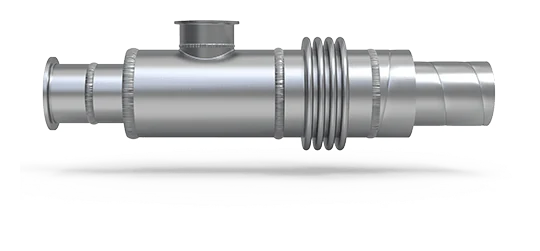
Tube-in-tube
- Full-bore tube passes rags, hair and grit
- Low water temperature keeps sludge off the wall
- Flanged ends open for rodding in place
Plate exchanger
- Narrow gaps catch rags and plug
- Contact points trap grit and fiber
- Gaskets age in warm, sulfide-laden sludge
Sludge heating loop, typical values
Typical figures for a digester heating loop. Feed solids, recirculation rate and tank heat loss all vary by plant, so these are values we confirm with you rather than a fixed rating.
| Item | Detail |
| Mesophilic set point | Roughly 95 F to 100 F |
| Thermophilic set point | Roughly 125 F to 135 F |
| Sludge side | Inner tube, full bore, recirculated from the digester |
| Heating medium | Hot water from a boiler or engine heat-recovery loop in the annulus |
| Hot water temperature | Kept moderate so the tube wall stays below the caking point |
| Materials | 316L standard; 2205 duplex where chlorides or sulfides run high |
| Connections | Flanged for rodding and inspection |
| Arrangement | Counterflow sections stacked to fit the heating room |
Digester heating
Raw sludge enters cold and the tank loses heat through its cover and walls, so the exchanger works hardest in winter. Sizing starts from the worst month: feed temperature, feed rate and tank heat loss give the duty, and recirculation flow is then set high enough to keep solids moving through the tube. Biogas usually fuels the boiler or engine that heats the water, so heat kept in the sludge is gas saved for sale or power.
- Recirculation heating of digester contents
- Preheating raw feed before it enters the tank
- Heat from engine jacket water or a boiler loop
- Holding thermophilic temperature for pathogen reduction
Biomass and broths
Biomass slurries for biogas or ethanol, and fermentation broths in industrial biotechnology, bring their own mix of fermentable sugars, organic acids, cell mass and fiber. The tube-in-tube answer is the same open bore, with attention to the acid side of the chemistry and to cooling during fermentation, when the culture generates heat that must be removed steadily to keep it productive.
- Biomass slurry preheating
- Fermentation broth temperature control
- Digestate cooling before dewatering
Corrosion, scale and caking in the digester loop
Hydrogen sulfide and what it attacks
Sulfide is the corrosion driver in digested sludge. Hydrogen sulfide from the digester attacks carbon steel and copper alloys, and the attack is worst wherever the wall is wet and oxygen can reach it. 316L stainless handles the sludge side of most municipal digesters well. Plants co-digesting food waste, fats, brines or industrial residues can see higher chloride and sulfide levels, and that is where 2205 duplex earns its premium. Copper-bearing materials have no place anywhere in the loop.
Struvite and baked-on sludge
Digested sludge is rich in ammonia, magnesium and phosphate, and where pressure drops or carbon dioxide escapes, struvite crystallizes as a hard, glassy scale. Raw sludge, on the other hand, bakes onto a wall that runs too hot and forms an insulating crust. Both are controlled the same way: keep the velocity up, keep the hot-water temperature only as high as the duty needs, and leave access to clean. A tube that can be rodded through its flanged ends recovers its duty without draining the digester.
Sizing for the winter that matters
An undersized sludge heater shows itself in the coldest month, when feed is coldest and tank losses are highest, and the digester temperature drifts down until gas production falls off. Size for that month with an allowance for fouling, then check summer turndown so recirculation velocity stays above settling. Send the feed solids, flow, feed and tank temperatures, the hot-water supply temperature and the space you have for the exchanger.
Call and talk it through with an engineer: 1-805-484-2992
Sludge heater questions
Because sludge bakes onto a hot wall. Proteins and fats in raw sludge form a crust that insulates the tube, cutting heat transfer and narrowing the bore. Holding the hot-water supply only as warm as the duty needs keeps the wall cool enough to stay clean. A longer exchanger running cooler water nearly always beats a short one running hot water.
For most municipal digesters, yes. 316L handles the sulfide and mild organic acids of a stable digester without trouble. Co-digestion of food waste, fats, brines or industrial residues can push chlorides and sulfides higher, and the inner tube then moves to 2205 duplex. Send a sludge analysis, or at least a list of what you co-digest, and we will confirm the material.
It can, but two sections usually work better. Raw feed is colder and often more fibrous, while recirculated sludge is warmer and close to set point. Blending them ahead of the exchanger is common and simple; separate sections let you control feed preheat on its own. The right answer depends on your feed schedule and piping.
Struvite forms where digested sludge loses carbon dioxide and its pH rises, often at pressure drops, bends and pump suctions. In the exchanger, keep the velocity steady, avoid sudden pressure changes and leave access for cleaning. A mild acid wash dissolves struvite, so the alloy should be chosen to take the cleaning acid as well as the sludge.
Thermophilic digesters run hotter, so the heating water runs hotter too and the margin before caking is smaller. The exchanger is usually longer for the same duty because the water-to-sludge temperature difference is held deliberately small. Corrosion rates also rise with temperature, which can tip a marginal 316L duty toward duplex.
Related
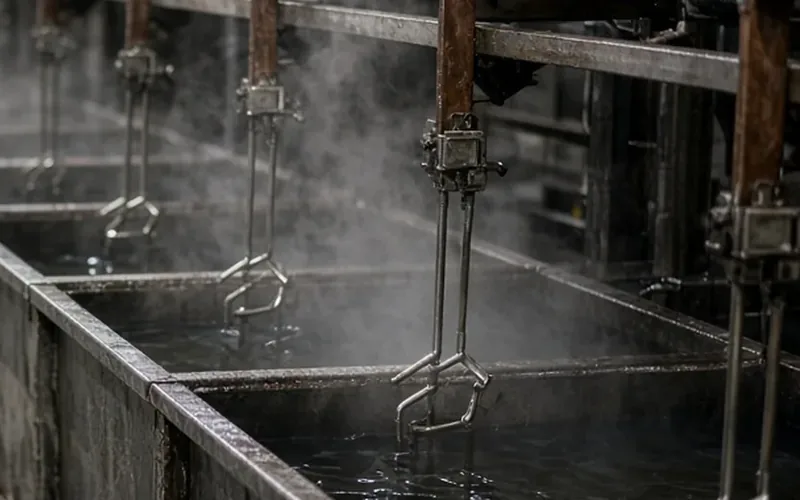
Industrial
Acidic Effluent
Tube-in-tube heat exchangers for acidic and caustic effluent: cooling or heating low-pH wastewater with chlorides and solids in duplex, AL-6XN or titanium.
+ Learn More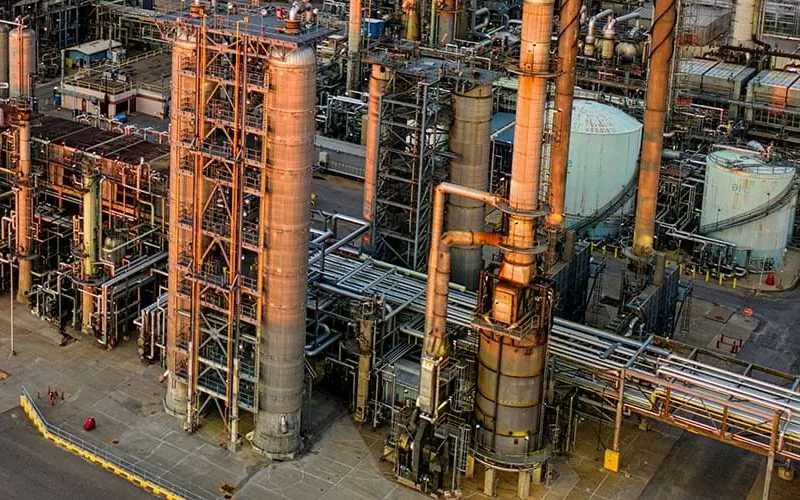
Industrial
Acids, Caustics & Bleach
Tube-in-tube heat exchangers for sulfuric and hydrochloric acid cooling, caustic heating and chlorine dioxide or hypochlorite service in alloy or titanium.
+ Learn More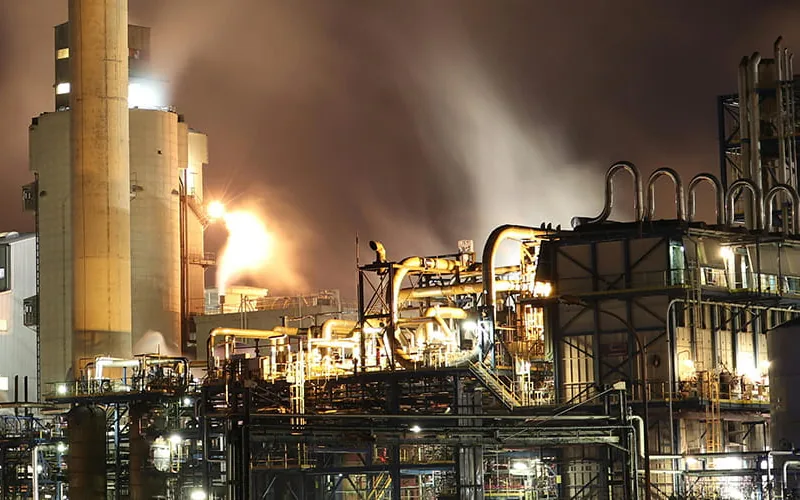
Industrial
Corrosive & Abrasive
Tube-in-tube heat exchangers for corrosive and abrasive fluids: match the alloy to the chemistry, design against erosion and keep acids away from gaskets.
+ Learn More
