
1-805-484-2992
Quotes - Engineering - SalesGrain streams foul with protein, starch and husk
Brewhouses and grain distilleries move some of the hardest food-grade streams a heat exchanger sees. Hot wort carries coagulated protein and hop debris, mash is a porridge of husk and grain particles, and stillage leaves the still near boiling and full of spent grain. Each one either plugs a narrow channel or bakes onto a hot wall, and often does both. A tube-in-tube unit keeps the grain stream in a full-bore inner tube where solids pass and the wall can be scoured by velocity and CIP.
Where the wort is well clarified, a plate cooler is a sensible and usually cheaper choice, and we will say so. The case for tube-in-tube starts when solids reach the exchanger: a brewhouse without a whirlpool, heavy hop loads, wort cooled for distilling with the grain still in, or any mash and stillage duty. Those streams turn a plate pack into a cleaning job between batches, and that is the point at which an open bore pays for itself.
Grain duties also throw away heat a plant buys back elsewhere. Wort cooling can heat the next brew's water, and whole stillage can preheat mash or process water. True counterflow gives the close approach that makes that recovered heat worth using, so the same bank that solves the fouling problem often lowers the steam bill as well.
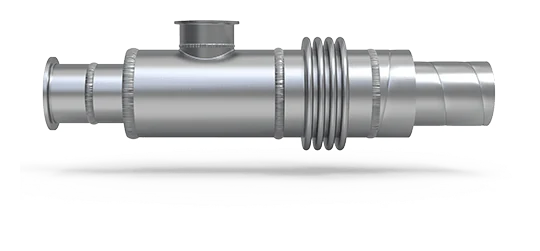
Tube-in-tube
- Trub and hop solids pass a full bore
- Mash with husk heated without plugging
- CIP reaches every surface of a welded path
Plate wort cooler
- Narrow channels collect trub and debris
- Mash and stillage are beyond its gap
- Plates opened to scrub baked deposits
Brewery and distillery streams at a glance
Each grain stream asks something different of the exchanger. This table sets out the duty and the solids that decide the design.
| Stream | Detail |
| Hot wort | Near-boil to pitching temperature, trub and hop solids, brewing water as coolant |
| Mash | Grist and water held through rest temperatures with husk and grain particles |
| Cooker mash | Distillery grain mash cooked hot, then cooled to fermentation; thick and starchy |
| Whole stillage | Spent grain and liquid leaving the still hot; the main heat recovery source |
| Thin stillage | Fine solids and protein that film a hot wall |
| Yeast and tank bottoms | Cooled gently for beer recovery or repitching |
| Spent grain slurry | High fiber; flushed and drained between runs |
Protein and starch on the wall
Grain streams foul by two routes. Proteins denature on a hot surface and bond to it, while starch gelatinizes, thickens the boundary layer and cooks into a film. Both accelerate as the wall runs hotter than the bulk, so mash and stillage heating are designed around a limited temperature difference rather than the fastest steam rate. A slower, cooler wall stays clean far longer between cleanings.
- Hot water or low-pressure steam on mash heating
- Velocity held up to scour the wall
- Plain bore where husk and fiber are present
- Clean by pressure-drop rise, not the calendar
Heat you can take back
Wort cooling and stillage both reject heat that the plant pays for again somewhere else. Hot wort cooled against incoming brewing water warms that water toward hot-liquor temperature in one pass, and whole stillage can preheat the next mash. Counterflow makes the approach close enough that the recovered heat is genuinely usable rather than lukewarm water nobody needs.
- First wort stage on brewing water
- Second stage on glycol to reach pitching temperature
- Stillage to mash or process-water preheat
- Separate banks so a fouling stream cleans alone
Designing for wort, mash and stillage
Cooling wort with the solids in
Not every brewhouse removes trub before the cooler. Smaller breweries without a whirlpool, brewers running heavy pellet or whole-leaf hop loads, and distilleries cooling wort with the grain still in all send solids forward. A plate cooler handles clarified wort well, but feed it trub and hop debris and its channels foul between brews and must be opened. A tube-in-tube cooler passes those solids and is cleaned by the same CIP that serves the rest of the cold side, which matters because everything downstream of the cooler is where infection risk lives.
Distillery mash and stillage
Grain distilleries cook a thick, starchy mash hot and then cool it to fermentation temperature with whole grain particles still in suspension. After distillation, whole stillage leaves the still near boiling, loaded with spent grain and protein, and is usually the plant's largest stream of waste heat. Both are natural tube-in-tube duties: the bore passes the grain, the serpentine bank can be split into heating, regeneration and cooling sections, and fouling is handled with velocity and cleaning rather then a wider gap.
Sanitary detail and sizing data
Brewery and distillery coolers are normally built in 316L with sanitary clamp connections on the product side, fully drainable and cleaned with caustic and acid CIP. Stillage and spent-grain duties that never return to product can move to industrial flanged connections and a lower material cost. To size a unit, send the stream and its solids, flow per batch or per hour, inlet and outlet temperatures, the cooling or heating media available and how often you clean today.
Call and talk it through with an engineer: 1-805-484-2992
Before you cool wort with solids
Cold break forms in the cooler whichever exchanger you use; what changes is where the hot break ends up. If hot trub passes the cooler, it settles in the fermenter or a cold-side settling tank instead of the whirlpool. Many brewers accept that or recover it later. The cooler's job is to pass the solids without fouling, and an open bore does exactly that.
In true counterflow the water leaving the cooler can approach the hot wort inlet temperature closely, and the gap is set by how much surface you buy. A brewery aiming for hot-liquor temperature in one pass needs a longer bank than one that tops the water up afterward. We size it to the water volume your next brew needs, so the hot liquor tank does not overfill every batch.
Usually not well. Mash heating wants a modest wall temperature and a bore sized for husk, while wort cooling wants a close approach and sanitary cold-side design. Sharing one unit compromises both and adds a cleaning step between duties. Separate banks, each sized for its own stream, usually cost less to run than one exchanger switched back and forth.
Settling fines and protein films. When a stillage bank runs slow to save pumping, grain fines drop to the tube bottom and protein bonds to the deposit, and heat recovery fades run after run. Velocity is the main defense, so the bore is chosen to keep stillage moving at its normal flow. Plants that clean on a pressure-drop trigger rather than a fixed schedule get the longest runs.
Beer plants rarely require the 3-A symbol, since 3-A is written around dairy and food equipment, but many brewers follow the same principles: polished 316L product surfaces, sanitary clamp connections, full drainability and no dead legs. Where a plant does want the 3-A symbol and its paperwork, we quote the unit built to 3-A.
Related
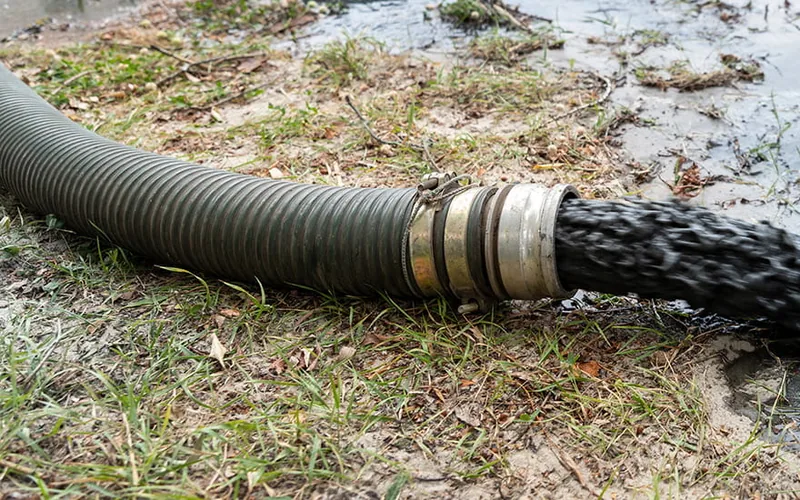
Industrial
Slurries & Particulates
Tube-in-tube slurry heat exchangers for ore, lime and catalyst slurries: one full-bore path, long-radius returns and wall sized for erosion.
+ Learn More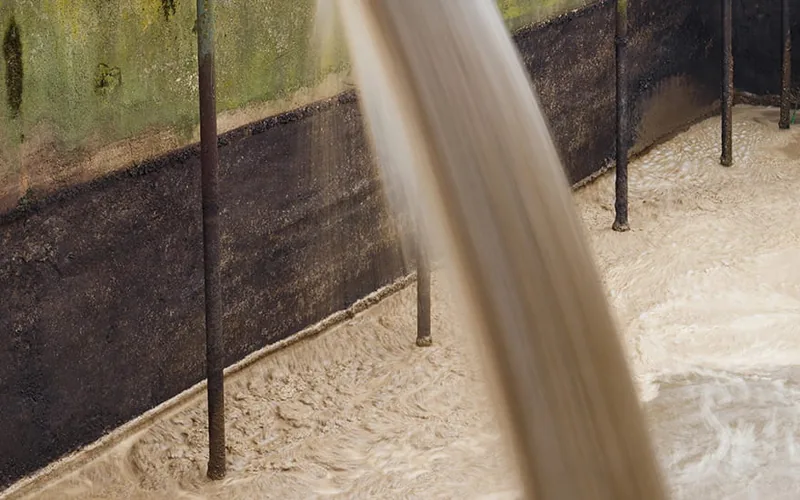
Industrial
Fibrous Waste Streams
Tube-in-tube sludge heat exchangers for municipal sludge, food-plant waste and paper-mill fiber: no edges for rags to catch, flanged returns to rod.
+ Learn More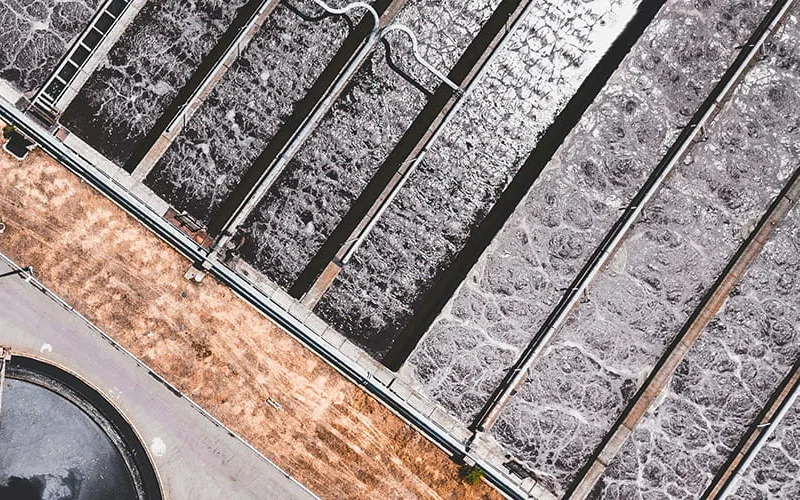
Industrial
High-Fouling Fluids
Tube-in-tube heat exchangers for high-fouling fluids: open bores, controlled velocity and cleaning access for slurries, fibrous sludge and grain streams.
+ Learn More
