
1-805-484-2992
Quotes - Engineering - SalesBuilt for streams that ruin other exchangers
Fouling, corrosive, abrasive and high-pressure plant duties
The industrial family takes the concentric principle and builds it for plant service: heavier walls, pipe sizes, flanged or threaded ends, and a material chosen for the chemistry rather than for a food code. Design pressures of 1500+ psi and service temperatures above 600 F are within reach, because a round tube carries pressure in hoop stress with far less metal than a flat plate or a large-diameter shell needs.
Buyers on these pages usually hold a stream that has already beaten something else. A plate pack plugged with fiber, a shell-and-tube bundle scaled solid, gaskets that would not survive the temperature, a carbon steel unit pitted through in a year. The open bore, the absence of gaskets on the process side, and a choice of carbon steel, 316L, 2205 duplex, AL-6XN, titanium or high-nickel alloys answer those failures one at a time.
The menu splits by what the stream does to an exchanger. High-Fouling Fluids covers slurries, fibrous waste and grain streams. High Temp & Pressure covers oil and gas, hot effluent heat recovery, pulp mill liquors and heavy viscous resins. Corrosive & Abrasive covers acidic effluent, acids, caustics and bleach, and digester sludge. Each page gives the tube-in-tube answer for its own stream.
Request a Quote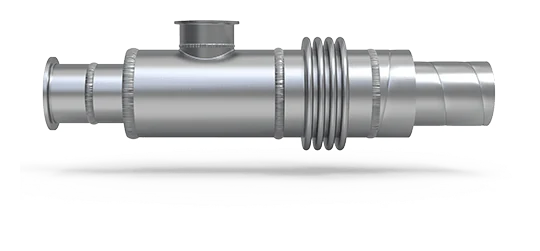
Three kinds of punishing stream
High-fouling fluids
- Mineral slurries and abrasive solids
- Fibrous sludge and food-plant waste
- Wort, mash, stillage and spent grain
- Velocity and open bore against deposits
High temp and pressure
- Produced water, crude and glycol loops
- Heat recovery from hot effluent
- Black, green and white liquor
- Resins and heavy oils on thermal oil
Corrosive and abrasive
- Acidic and caustic effluent
- Sulfuric and hydrochloric acid, bleach chemistry
- Digester sludge carrying H2S
- Material matched to chemistry, not habit
Specifying an industrial unit
When the duty is small to medium, the stream fouls, carries solids or fiber, or the pressure is high enough that a large shell gets expensive. For a very large, clean duty a shell-and-tube usually wins on cost per square foot, and we will say so. The crossover depends on the stream, so send the duty and we will compare honestly.
Yes, when that is specified at quote stage. Straight lengths joined with flanged return bends can be opened so each tube is rodded or hydroblasted end to end. Fully welded serpentines are cleaned chemically, which suits scale and organic deposits but not hard packed solids. Tell us how your plant cleans today and the layout follows from it.
Usually the inner tube. It gives a uniform round channel, a velocity we can set exactly, and the only surface that can be reached end to end for cleaning. The clean utility, such as cooling water, steam or thermal oil, goes in the annulus. The exception is a clean fluid at very high pressure, which is often better inside the smaller tube.
Often not. When the corrosive process stream runs in the inner tube and the annulus carries a benign utility such as treated cooling water or steam, only the inner tube and its wetted fittings need the alloy. The jacket can be carbon steel or 316L. On titanium or high-nickel duties that split can cut the material cost substantially without shortening service life.
Units can be designed and built to ASME Section VIII with the U stamp and registered with the National Board where your jurisdiction, insurer or plant standard requires it. The code data report then documents materials, design conditions and the hydrostatic test. Name the requirement on the quote request so the design and documentation are set up for it from the start.
The inner and outer tubes run at different temperatures, so they grow by different amounts. In a hairpin or serpentine layout each leg can move at its return bend, which absorbs most of the difference. Where the temperature gap is large, the code calculations check the stresses at the joints, and supports are placed so the bank can grow without binding.
Related
Industrial
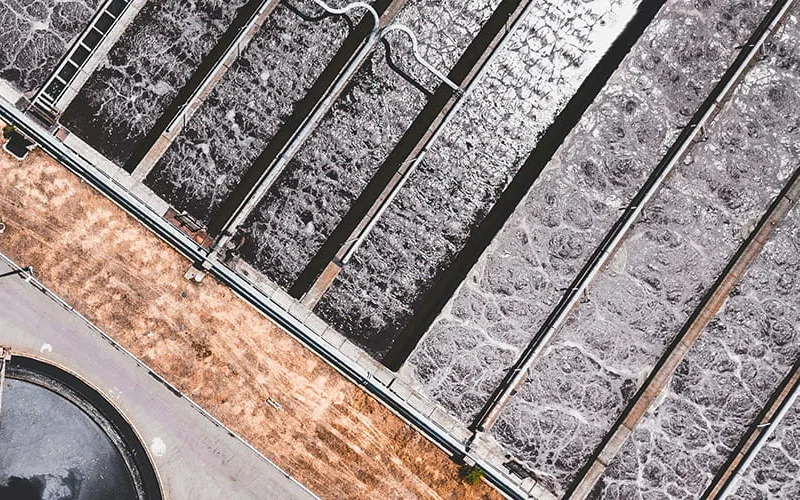
High-Fouling Fluids
Tube-in-tube heat exchangers for high-fouling fluids: open bores, controlled velocity and cleaning access for slurries, fibrous sludge and grain streams.
+ Learn More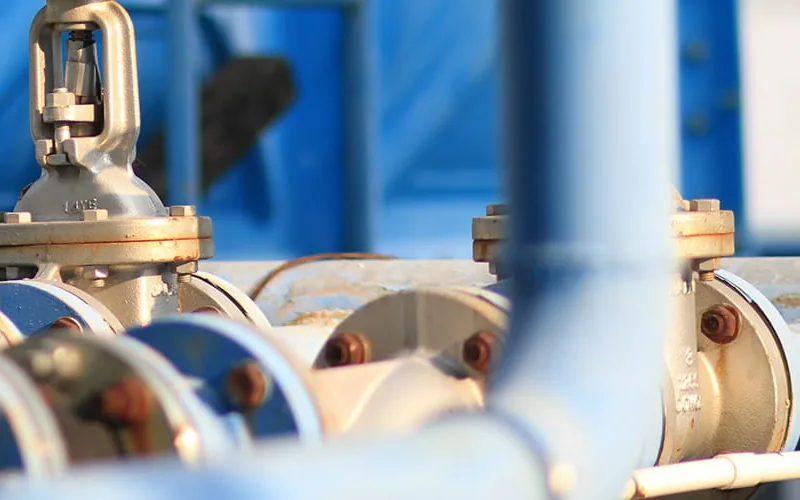
Industrial
High Temp & Pressure
High-pressure, high-temperature tube-in-tube heat exchangers: 1500+ psi and above 600 F, built to ASME Section VIII with room for thermal expansion.
+ Learn More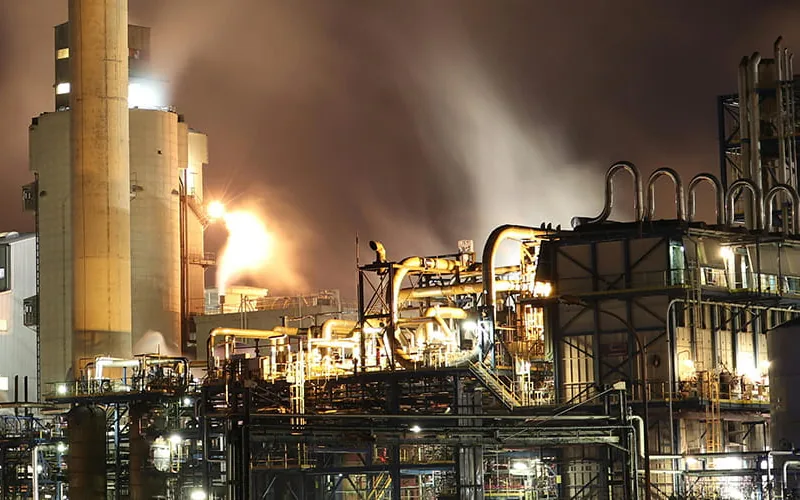
Industrial
Corrosive & Abrasive
Tube-in-tube heat exchangers for corrosive and abrasive fluids: match the alloy to the chemistry, design against erosion and keep acids away from gaskets.
+ Learn More